Data source
Confirm whether label data comes from an operator template, scanner, ERP, database, weigh system or PLC trigger.
Pallet label verification checks the label has been printed, applied and positioned so it can be scanned in the warehouse.
Guide to verifying pallet labels after print and apply application. This page is written for buyers comparing print and apply labelling machinery before speaking to a supplier.
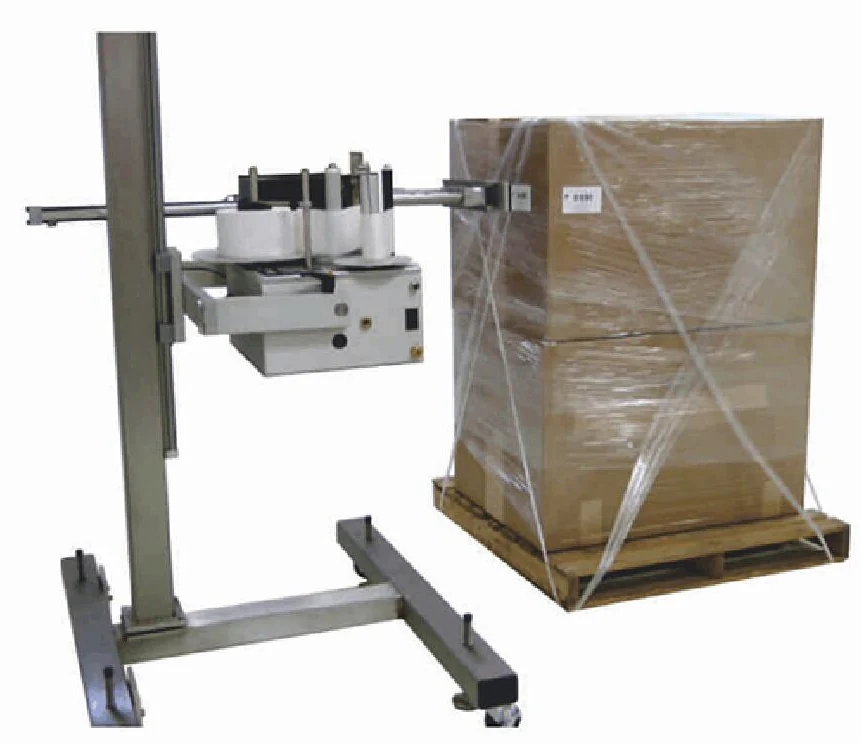
Use these points to compare systems and avoid specifying a labeller that cannot keep up with the real line conditions.
Confirm whether label data comes from an operator template, scanner, ERP, database, weigh system or PLC trigger.
Define the label face, edge distance, orientation and scan point before choosing tamp, wipe, blow or corner-wrap application.
Plan quiet zones, label stock, print resolution and verification so the code scans reliably after application.
Match print cycle, applicator movement and product spacing to the real throughput target rather than a best-case brochure speed.
Check conveyor height, available space, guarding, reject handling, sensors, I/O and operator access.
Compare manual labour, relabelling, dispatch errors and downtime against the cost of an automated printer-applicator.
A short practical brief allows the machine format, applicator movement and data handling to be narrowed down quickly.
These nearby pages help connect this search to product routes, application notes and quotation support.
Quick answers for buyers planning print and apply labelling automation.
It is for operations, engineering and warehouse teams comparing print and apply labelling options before a machinery enquiry.
Yes. Lancing UK can review label data, product movement, line layout and required output to recommend a practical configuration.
Send label size, product dimensions, apply position, line speed and data source so the requirement can be narrowed down quickly.
Send the pack size, label size, apply position, speed and data source. Lancing UK can help identify the right machine route.