How should print and apply systems handle line stops, reprints and rework?

A controlled print-and-apply system should preserve the relationship between the physical pack and its data record, know whether a label was printed, presented, applied and checked, prevent uncontrolled duplicate reprints, and route uncertain packs to a defined rework process. Recovery logic should be agreed before commissioning, not improvised after a stop.

Direct answer

What this means for a real production line

Recovery must preserve the link between the physical pack and its intended data. Define the status of any printed but unapplied label, who can authorise a reprint and how the original and replacement records are reconciled before the pack returns to normal flow.

  • Track pack and label state at each possible stop point.
  • Quarantine any pack whose label identity is uncertain.
  • Record the reprint reason, authority and final outcome.
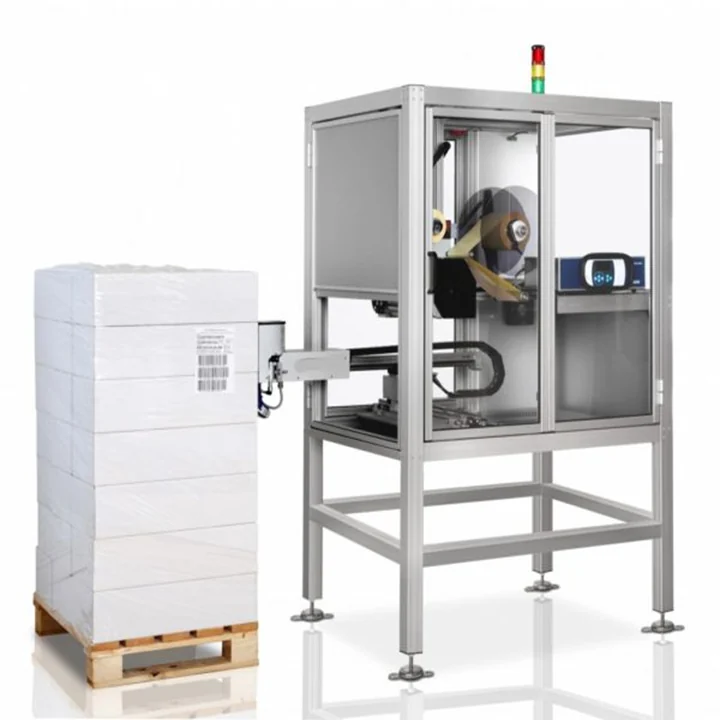
Guarded print and apply system used for controlled fault recovery
State control

Track where the pack and label are in the sequence

Recovery becomes safer when the system can distinguish each state instead of treating every stop as the same event.

Pack detectedA physical pack has entered the controlled sequence and must remain identifiable.
Data assignedThe approved record and template are linked to that pack.
Label printedA physical label now exists and must not be duplicated without authority.
Label presentedThe label may be on the applicator when the line stops and needs a defined disposition.
Label appliedApplication has occurred, but presence, readability or data agreement may still be unconfirmed.
Pack verifiedThe specified inspection has passed and the pack can be released.
Pack uncertainThe pack must remain contained until its identity and label status are resolved.

Define the restart decision before production

The correct response depends on where the stop occurred. A printed label on the pad, a labelled pack awaiting inspection and an unlabelled pack waiting for data are different states and should not share an automatic restart action.

Freeze and identify the queue

Keep affected packs in a controlled area and retain their expected production records.

Determine label and pack state

Establish whether the label exists, whether it was applied and whether the required inspection completed.

Authorise reprint or rework

Use a controlled role and reason code where the project requires an audit trail.

Restart from a known boundary

Clear or reconcile uncertain states before allowing normal automatic sequencing to resume.

Design a practical rework route

Rework should identify the physical pack, retrieve the correct approved data, control any old or duplicate label and confirm the result before release. The route may be manual or automated, but it must not depend on an operator guessing which record belongs to the pack.

  • Define who may authorise a reprint.
  • Record why the original cycle was not accepted.
  • Control existing labels before a replacement is applied.
  • Repeat the required inspection after rework.
  • Prevent the reworked pack re-entering as a new production event.
Buyer questions

Common questions about this decision

These answers identify the variables that should be confirmed before a machine, label or control sequence is fixed.

Is pressing reprint enough to recover a failed pack?

Not by itself. A reprint command must be linked to the correct physical pack and approved record, and the status of the original label must be known. Otherwise the process can create a duplicate label, place the right label on the wrong pack or release two packs with the same identity.

What should happen to a label left on the applicator after a stop?

The response should be defined in the machine sequence. The label may need to be discarded, reconciled with the waiting pack or used only after the system proves that pack identity and label data still match. An automatic blind retry can create duplication.

How are duplicate labels prevented during recovery?

Use pack tracking, unique job or record identifiers, controlled reprint authority, state logging and a restart boundary that clears uncertain labels. Where practical, compare the decoded label data with the expected record before the pack is released.

Should operators manually change label data during rework?

Manual entry should be limited to the approved process and validated fields. A safer route is to retrieve the existing production or order record using a controlled identifier, then record any authorised correction and repeat the required inspection.

What should a print-and-apply audit log record?

The useful fields depend on the project, but may include pack or job identity, template revision, time, print event, application result, decoded data, inspection outcome, reject or rework reason, operator authorisation and final release status.

Need this answer applied to your line?

Send the label, pack dimensions, application position, line video, data source and required checks. Lancing UK can identify what must be confirmed before quotation.

Call nowContact us