What affects print and apply line speed and cycle time?
Print and apply throughput is controlled by the slowest verified stage in the complete cycle, not by a printer speed figure or packs-per-minute target in isolation.
Throughput must be stated with the conditions that create it
A useful speed requirement combines packs per minute with product gap, conveyor speed, label size, print content, apply distance, applicator method and required inspection. The same nominal output can create very different available cycle times. Ten large labels arriving in a close cluster can be harder than a higher average rate with stable spacing.
Quote and acceptance evidence should use the worst normal combination, including the longest print, greatest travel and smallest product gap expected under one setup.
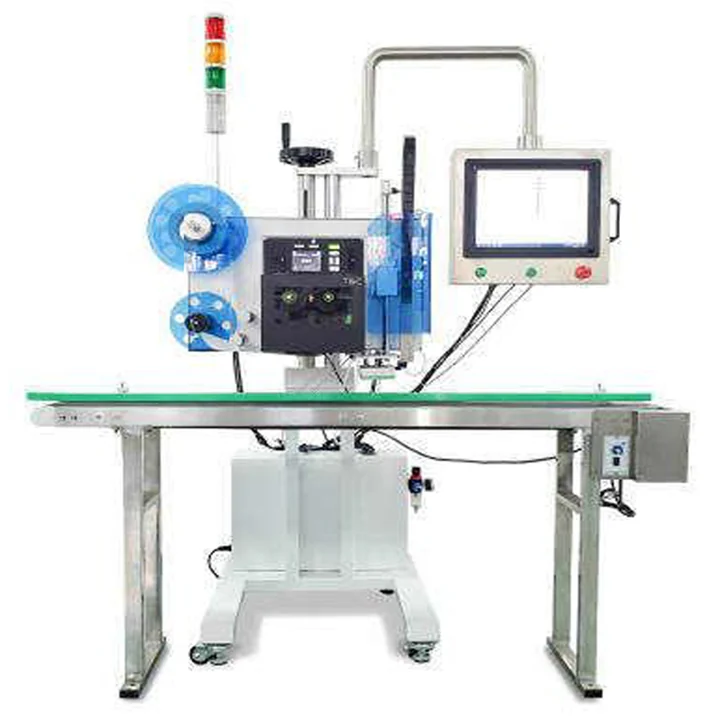
The stages that consume cycle time
| Data ready | Time for the correct record and template to be confirmed before printing. |
|---|---|
| Label length, resolution, content, acceleration and media behaviour through the print engine. | |
| Present | Dispensing the label and establishing reliable pick-up on the applicator. |
| Travel and apply | Distance, motion profile, product position, contact or wipe time and return movement. |
| Inspect | Scanner or inspection position, result time and association with the correct pack. |
| Recover | How the system handles a missed trigger, late data, no label, no-read or stopped product. |
How to state the requirement
Normal continuous condition
State the sustained rate, conveyor speed and stable product gap.
Peak or clustered condition
State how many packs can arrive close together and whether upstream accumulation is available.
Worst format
Use the longest label, densest data, greatest apply distance and required inspection under one recipe.
Acceptance evidence for speed
A meaningful test records the actual label, pack, line speed, gap, apply position, data source and inspection requirement. It should include a sustained run and controlled fault recovery, because a system that reaches the target only after alarms are bypassed has not proved the production requirement.
Questions answered on this page
Each answer is written to remain clear when read on its own and to show the variables that must be confirmed for a real production line.
What makes up a print-and-apply cycle?
The cycle includes data selection, printing, label presentation, applicator movement, application, confirmation and return to the ready state. If barcode inspection or pack containment is required, that sequence also consumes time and control capacity. The cycle is complete only when the machine can accept the next valid pack.
Why is packs per minute not enough to specify a labeller?
Packs per minute is an average and does not show spacing, label length or movement time. Two lines with the same average can have very different minimum gaps and burst behaviour. The machine needs the smallest normal time window between valid triggers, not only the hourly total.
How does label length affect cycle time?
A longer label generally takes more media movement and print time, and may require a larger application motion. The effect also depends on resolution, artwork density, print settings and applicator method. The longest real production label should therefore be included in the speed trial.
How does product gap affect the available application time?
The gap determines how much time exists between one product trigger and the next. If the applicator has not returned or the next label is not ready, the system needs a buffer, queue rule or stop condition. Variable gaps should be tested rather than replaced with an optimistic average.
Can buffering or accumulation protect labelling throughput?
Buffering can separate upstream variation from the labelling cycle when the conveyor and controls are designed to maintain pack order. It does not increase the physical cycle capacity of the labeller, and it can create identity risk if products accumulate without a reliable queue or tracking method.
How should the required speed be proved before order?
Use the final label, representative packs, actual data path, smallest normal gap, greatest travel and required inspection in a documented trial. Record successful cycles, fault recovery and the conditions of the test so the quoted performance is tied to evidence rather than a standalone component rating.
Related print and apply resources
Continue with the page that owns the next decision in the project.
Provide the real timing conditions
Send conveyor speed, minimum product gap, label dimensions, print content, apply distance and inspection requirement for a cycle review.