What should you ask a print and apply labeller supplier?
Ask every supplier to define the same application boundary, evidence, controls, exclusions and acceptance conditions so quotations can be compared as complete production systems.
Compare evidence and scope, not only the machine name
A useful quotation states what the machine will do, the conditions under which it is expected to do it and the evidence that will prove acceptance. Ask where the pack identity comes from, how variable data is controlled, what the applicator must reach, what inspection is included and what happens after a fault.
Machine, guarding, conveyors, sensors, software, templates, installation and testing should have clear ownership. Ambiguity at quotation stage usually reappears during integration.
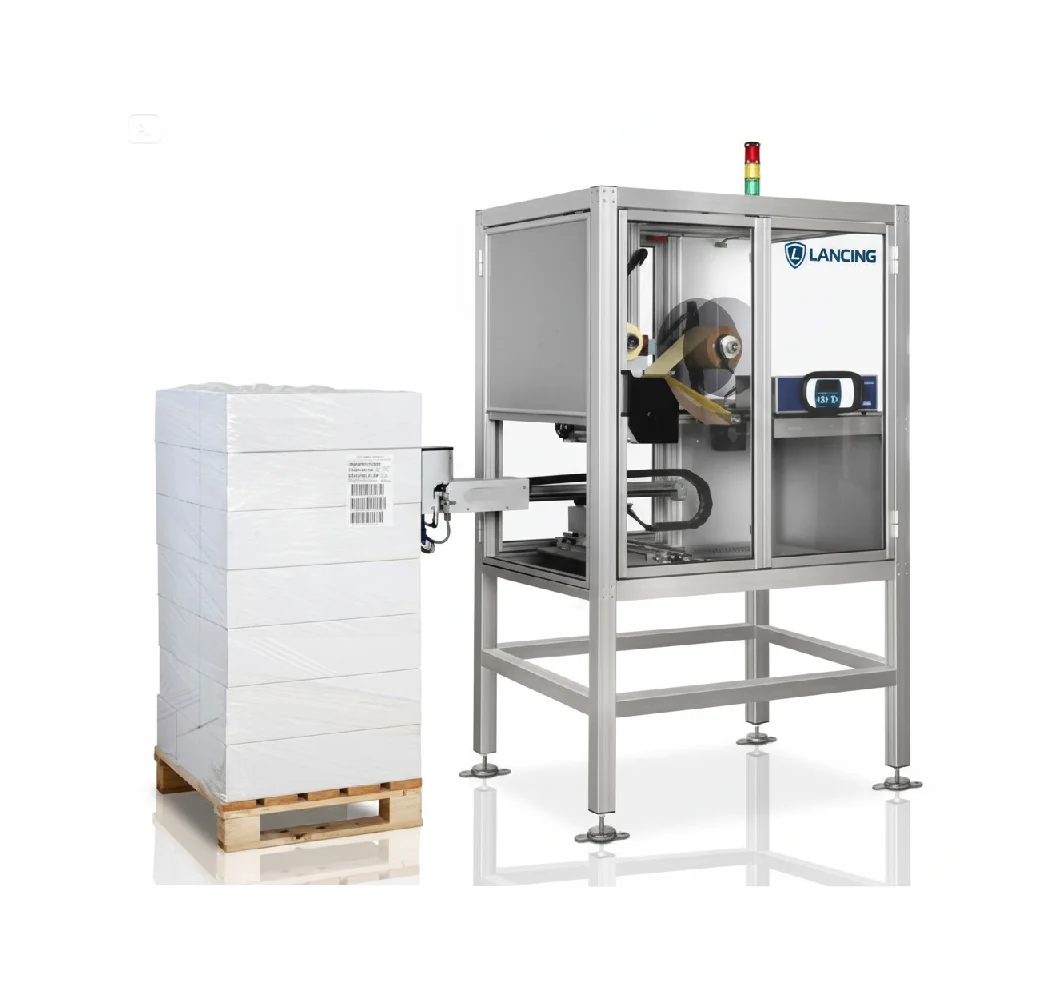
Five groups of supplier questions
Application
Which pack, label, surface and placement variations are included or excluded?
Performance evidence
Which label, pack, gap, travel and inspection conditions support the proposed cycle?
Controls and data
Who owns templates, field data, handshakes, alarms, reprints and recovery?
Delivery scope
What stands, guarding, sensors, conveyor work, utilities, documentation and training are included?
Acceptance and support
What is tested at FAT and SAT, and what information is needed for ongoing maintenance?
Quotation comparison table
| Pack and label range | List every included format and the adjustments or change parts required. |
|---|---|
| Cycle basis | Record label size, print content, product gap, apply distance and inspection condition. |
| Data interface | Define protocols, field ownership, template control, timeouts and loss-of-data behaviour. |
| Inspection | State whether the scope checks presence, readability, data match, placement or formal quality. |
| Fault recovery | Define line stop, reject, hold, reprint, retry and duplicate-prevention behaviour. |
| Site scope | Define utilities, installation, commissioning, training, documentation and maintenance access. |
Evidence to attach to the enquiry
- Final or representative label artwork and roll construction.
- Minimum and maximum pack drawings and real samples.
- Line video showing speed, spacing, skew and surrounding equipment.
- Data-field list, source system and example records.
- Required barcode, placement and failed-pack checks.
- Site layout, utilities, access and commissioning constraints.
Questions answered on this page
Each answer is written to remain clear when read on its own and to show the variables that must be confirmed for a real production line.
What evidence should support a quoted cycle rate?
The quoted rate should identify the label size, print content, product gap, conveyor speed, apply distance, pack variation and inspection requirement used. A component maximum or print speed is not evidence of the complete machine cycle. Ask how the worst included format will be demonstrated.
Which items must be included in the machine scope?
The scope should identify the printer-applicator, mounting, guarding, sensors, controls, data interface, templates, inspection, reject or hold functions, utilities, installation, training and documentation. It should also state customer-supplied items and any work on existing conveyors or PLCs.
Who is responsible for label software and data integration?
Responsibility should be assigned for template design, approval, variable fields, communications, test records and change control. The machine supplier, customer IT team and ERP or WMS provider may each own part of the solution; the interface boundary and test method need to be written down.
What samples should a supplier request?
A supplier should request the real size range, worst normal surface, production label stock, representative data and any wrap or downstream condition that affects the finished result. Samples should include awkward but acceptable packs, not only the easiest format.
How should acceptance criteria be written?
Acceptance criteria should describe observable results under stated test conditions. Define the packs, labels, data, speed, run duration, placement window, read or match requirement, fault tests and records. Avoid vague terms such as “accurate” or “high speed” without a measurable application context.
What support information should be agreed before installation?
Agree the manuals, drawings, consumable references, maintenance tasks, recommended spares, escalation route and customer responsibilities needed to operate the delivered configuration. Also confirm who supports the data interface and how software or template changes will be controlled after handover.
Related print and apply resources
Continue with the page that owns the next decision in the project.
Issue the same evidence pack to every supplier
Send the complete pack, label, line, data and acceptance information so each quotation can be compared against the same production requirement.