Case identification
Apply product, batch, destination or logistics information after the case and its contents are confirmed.
Connect each case or pallet to the correct approved label, business record and receiving scan.
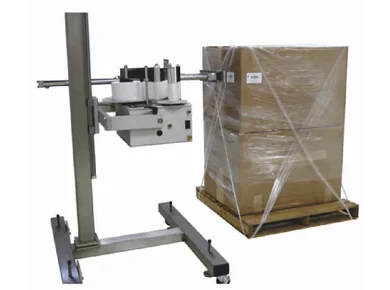
Retail distribution labels can connect a case or pallet to product, order, destination and advance shipping information. The print-and-apply system must use the correct approved template and record, place the label where it can be scanned and keep exceptions from entering the dispatch flow.
GS1 UK provides current guidance on creating SSCCs and logistics labels.
Keep physical-unit, label and business-message records aligned.
| Approved requirement | Trading-partner specification, barcode/data standard, label layout, placement, human-readable fields and communication rules. |
|---|---|
| Unit creation | Carton or pallet identity, contents, order/destination record and the event that fixes the record. |
| Print and application | Approved template, media, print method, label position, product presentation and applicator sequence. |
| Inspection | Presence, decoded data, expected-data comparison or formal verification as required by the agreed process. |
| Aggregation | Relationship between items, cases and pallets, including changes after damage, rework or pallet rebuild. |
| Dispatch evidence | Final label/pack result, exception handling, reprints and any electronic message or receiving record required by the trading partner. |
Apply product, batch, destination or logistics information after the case and its contents are confirmed.
Create and apply the pallet identity in a controlled sequence, with the record remaining linked to the physical load.
Design placement and verification around real receiving, forklift, conveyor or handheld scanner conditions rather than the printer bench alone.
Use the customer specification and representative logistics units.
Confirm field mapping, identifiers, human-readable values and every format in scope.
Include case and pallet variation, wrap, corners, seams and the intended placement area.
Test the intended scanner types, distances and handling conditions after application.
Test damaged labels, pallet rebuild, reprint, duplicate prevention and any electronic record update.
Answers for retail case and pallet labelling projects.
The exact requirement is set by the trading partner, but labels may include a logistics-unit identifier, product or contents data, batch/date information, destination and human-readable fields.
The Serial Shipping Container Code is a GS1 identifier for a logistic unit. It is used to link the physical unit to information held in business systems.
Not necessarily. Confirm each trading partner’s current data, barcode, placement and communication requirements rather than assuming one format is universal.
A barcode can be readable but contain the wrong record. Comparing decoded data with the expected carton or pallet record can detect that different failure.
Retain approved templates, field mapping, production records, representative printed/applied samples, scan or verification results and exception/reprint tests required by the customer process.
Use the GS1, pallet, shipping-label and scan-diagnostics pages to connect the unit record to receiving conditions.
Send the trading-partner specification, templates, sample data, case/pallet formats and intended scan points.
Include sample records, case and pallet formats, application position and required receiving checks.