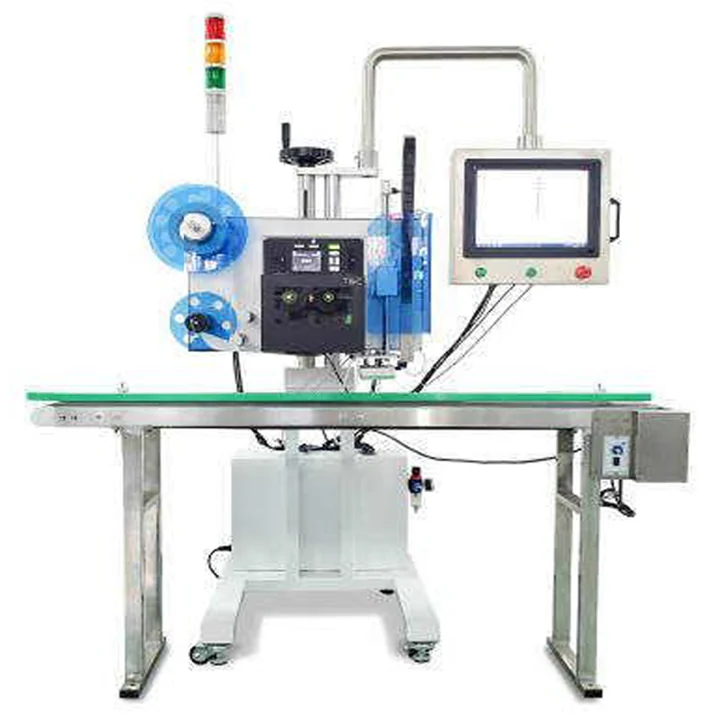
That format may present a different face angle, height, corner, stiffness or distance to the pad. Compare the datum, guides and applicator travel with a format that runs correctly rather than applying one timing value to every case.
Why do labels lift after cold storage?
The adhesive may not have developed sufficient initial contact before cooling, or condensation may have been present during application. Test the actual application temperature, dwell before storage and surface condition with the final label construction.
Why does placement skew increase at higher speed?
Product movement, slip, sensor timing and wipe contact can change with speed. The line should be tested at normal minimum and maximum rates using the smallest product gap and typical accumulation conditions.
Can a dirty applicator pad cause faults?
Yes. Adhesive, dust and damaged pad surfaces can affect label holding and release. Clean and inspect the pad only with the method approved for the machine and label system, then confirm vacuum or air functions before production.
Why is an occasional pack missed?
Intermittent misses often point to variable product presentation, marginal sensing, delayed data, label-present faults or an incomplete return before the next trigger. Review event logs and the smallest product gap rather than only repeated manual cycles.
When should operators stop adjusting the machine?
Stop when a safety device, guard, interlock, electrical fault, damaged applicator, uncontrolled motion or uncertain product identity is involved. Follow the site's isolation and escalation procedure and use competent technical support.